
Guide to CE marking, machinery safety and the Machinery Regulation
- Machinery safety engineer
- Founder of Kaidoc.app
- CEO of Knutec.de
I have been guiding CE projects in machinery, plant and special purpose engineering for years. Here I collect the questions that keep coming up in projects, with answers that hold up in daily practice. If you want to produce your documentation yourself, Kaidoc.app is the software for it. For linked lines, several manufacturers and contested assessment questions, Knutec.de takes the work on as an engineering service.
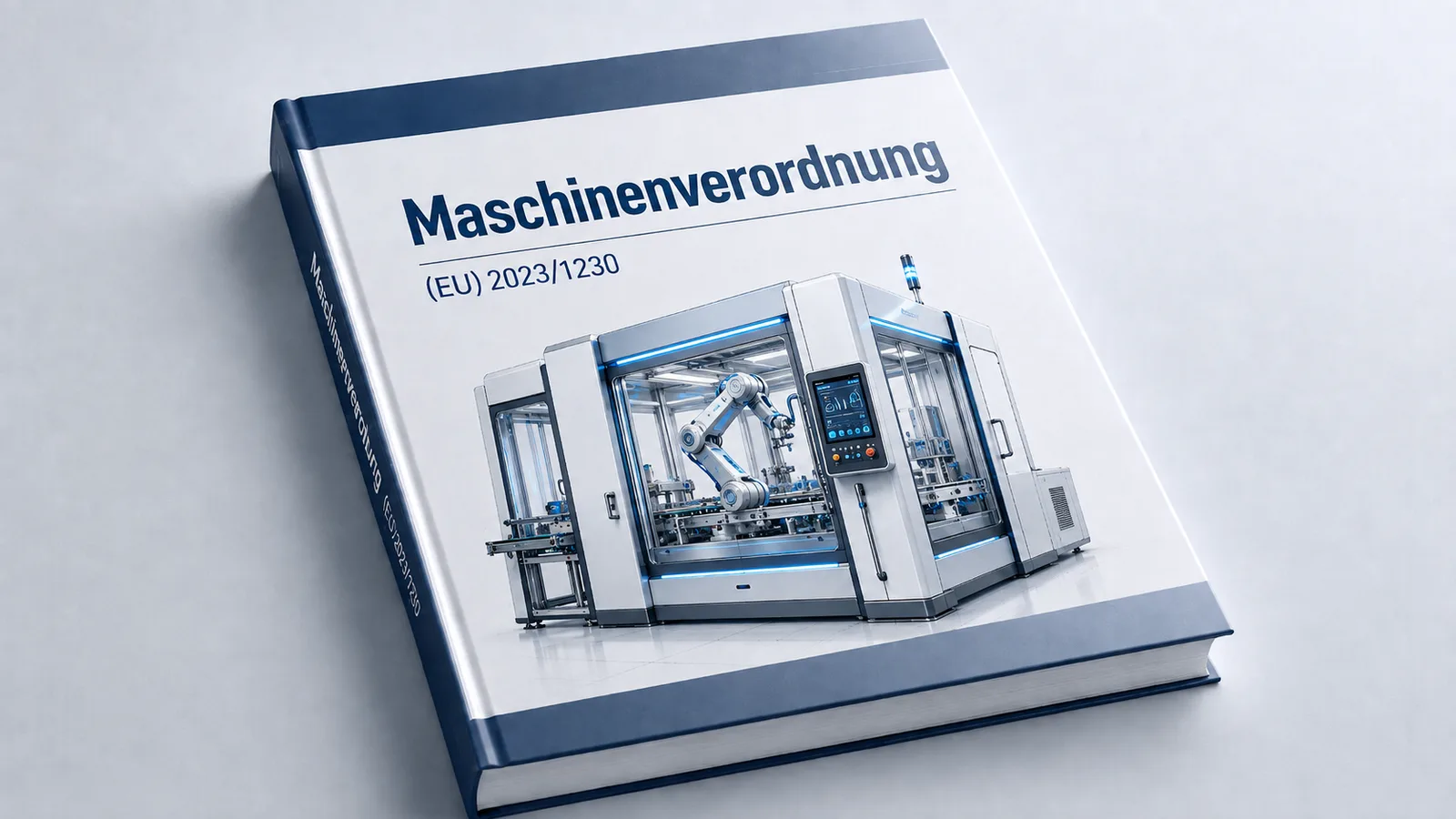 Image to follow
Frequently asked
Frequently asked questions on law and regulations
Deadline, transition, existing machinery, substantial modification, partly completed machinery: 15 questions on the legal framework, each answered directly.
Image to follow
Frequently asked
Frequently asked questions on law and regulations
Deadline, transition, existing machinery, substantial modification, partly completed machinery: 15 questions on the legal framework, each answered directly.
 Image to follow
Frequently asked
Frequently asked questions on CE marking and conformity
Who may affix the CE marking, which steps the procedure involves, what has to go into the declaration of conformity: 11 questions from project practice.
Image to follow
Frequently asked
Frequently asked questions on CE marking and conformity
Who may affix the CE marking, which steps the procedure involves, what has to go into the declaration of conformity: 11 questions from project practice.
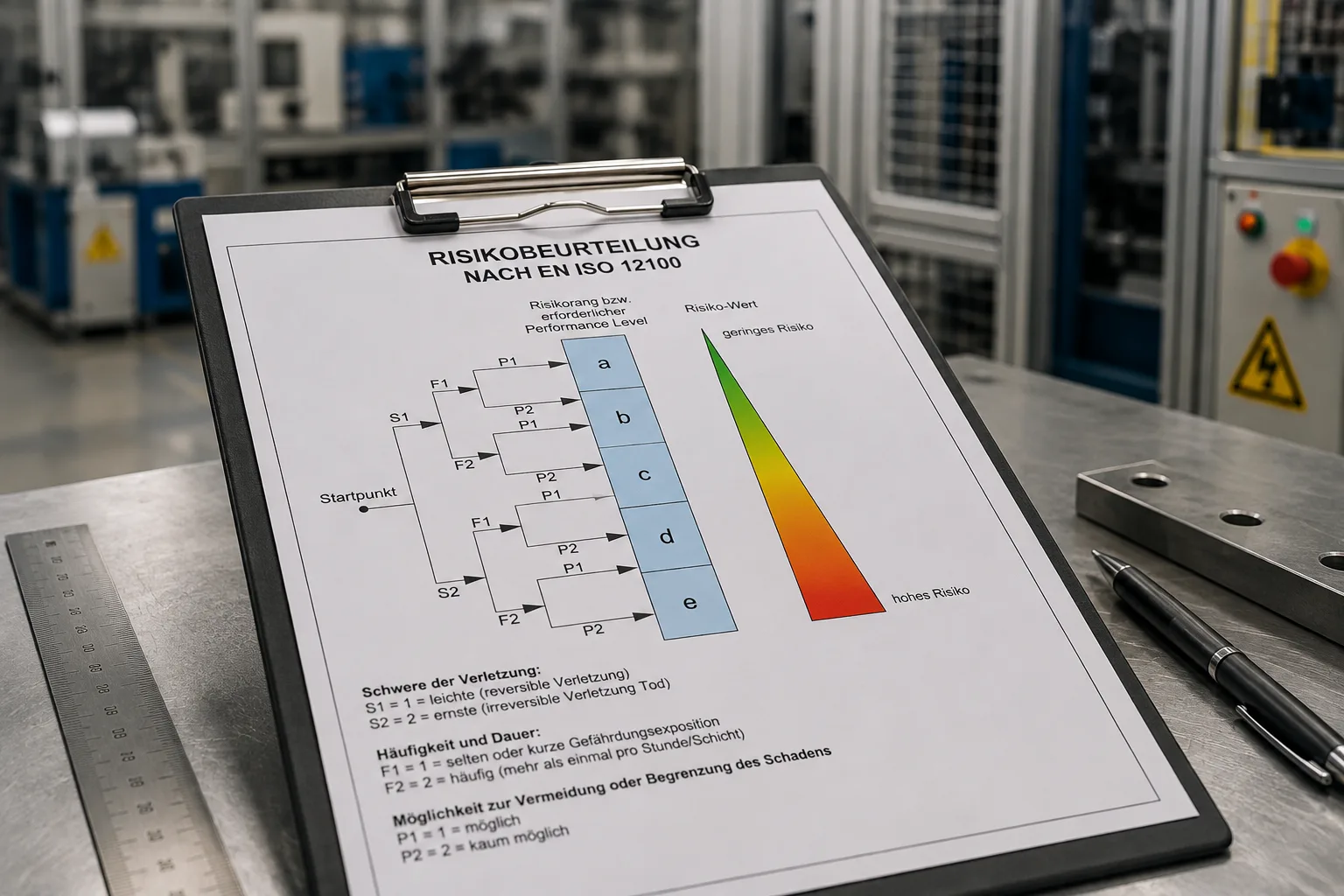 Image to follow
Frequently asked
Frequently asked questions on risk assessment
Procedure, evaluation, residual risks, documentation and updating: 14 questions on risk assessment to EN ISO 12100.
Image to follow
Frequently asked
Frequently asked questions on risk assessment
Procedure, evaluation, residual risks, documentation and updating: 14 questions on risk assessment to EN ISO 12100.
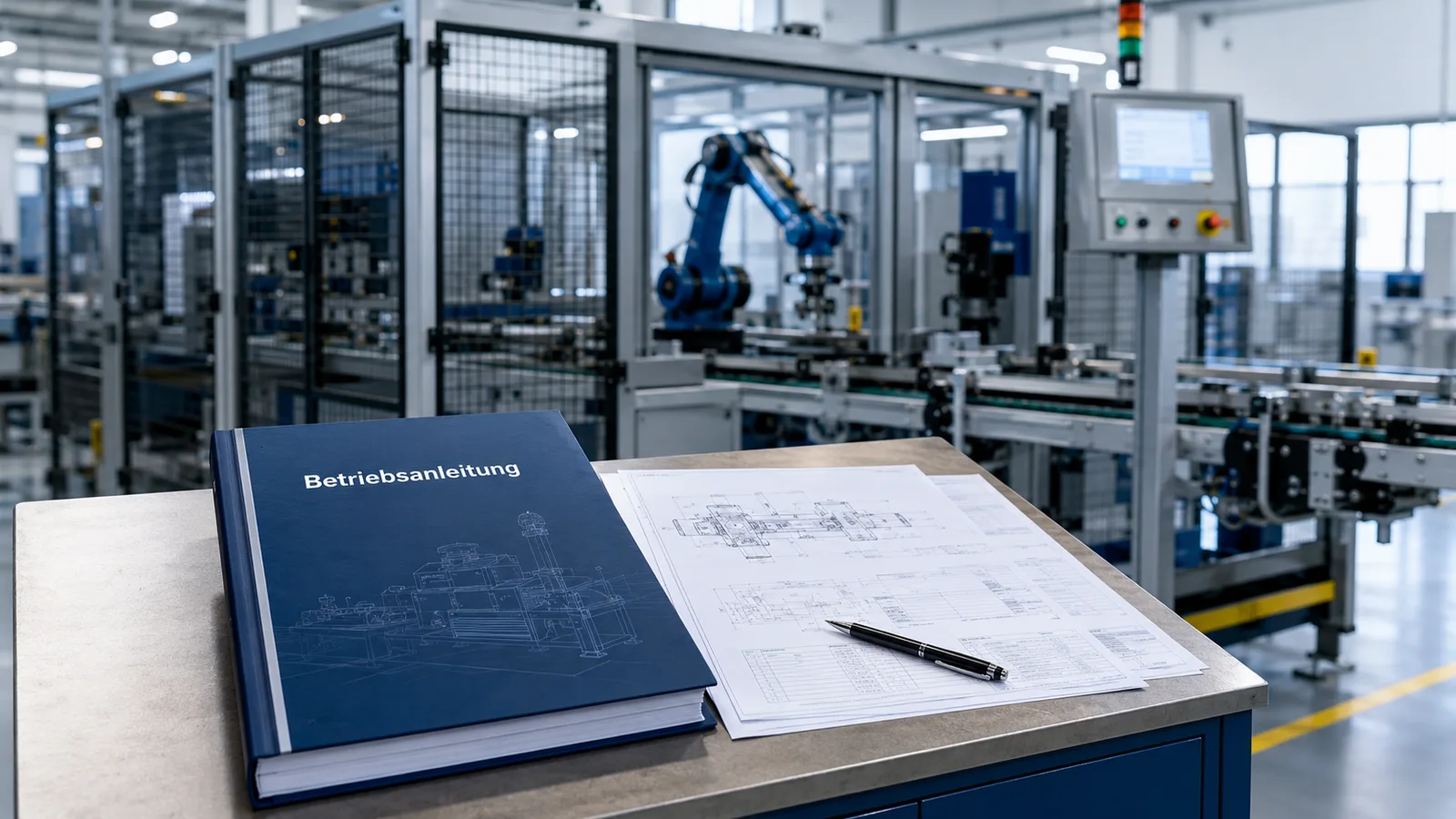 Image to follow
Frequently asked
Frequently asked questions about instructions for use
Mandatory content, digital provision, QR codes, language, warnings and residual risks: 8 questions on instructions for use.
Image to follow
Frequently asked
Frequently asked questions about instructions for use
Mandatory content, digital provision, QR codes, language, warnings and residual risks: 8 questions on instructions for use.
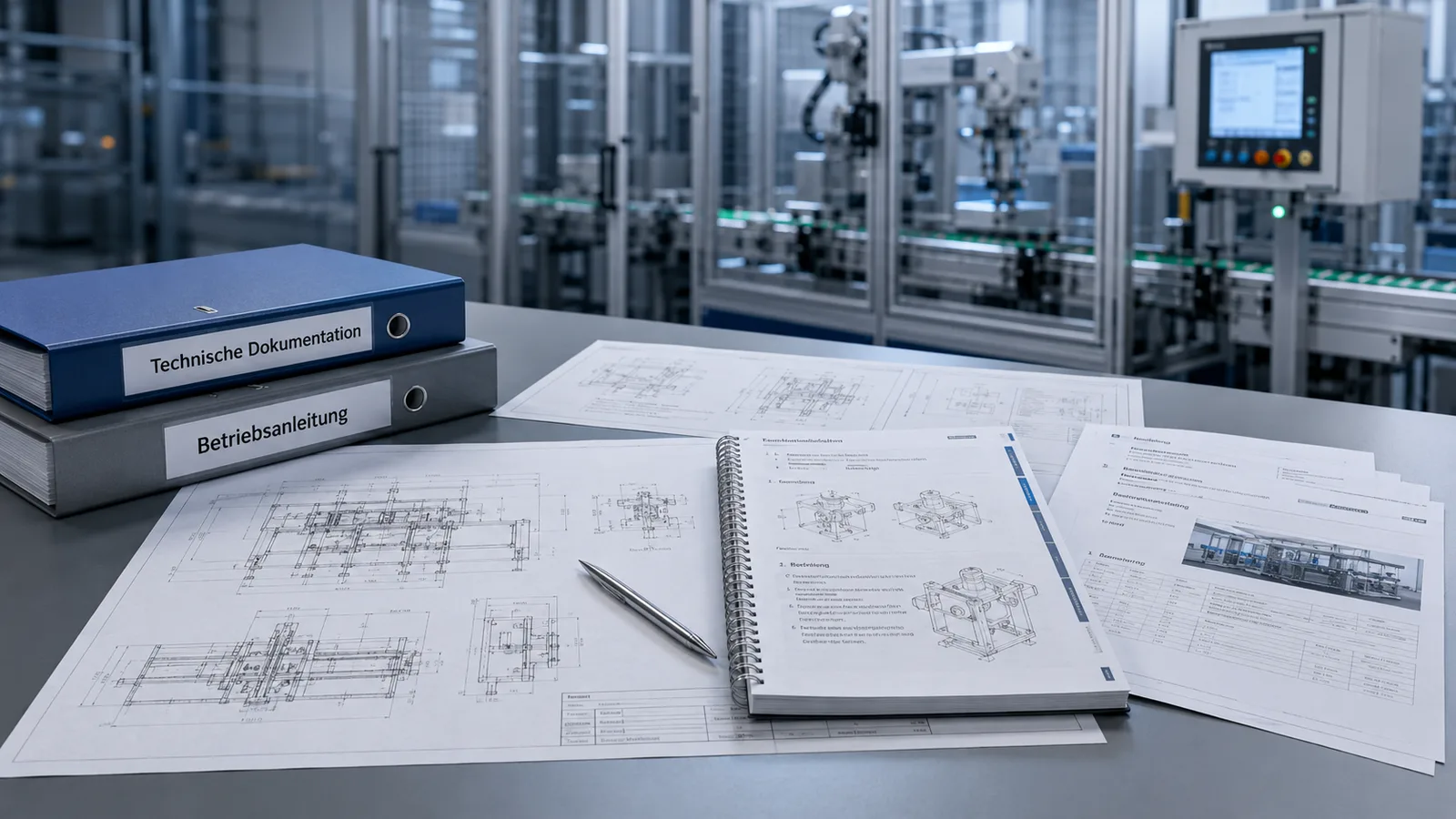 Image to follow
Frequently asked
Frequently asked questions on technical documentation
What belongs in the technical file, what the customer receives, what stays internal, how long it has to be kept and in which language: 20 questions.
Image to follow
Frequently asked
Frequently asked questions on technical documentation
What belongs in the technical file, what the customer receives, what stays internal, how long it has to be kept and in which language: 20 questions.
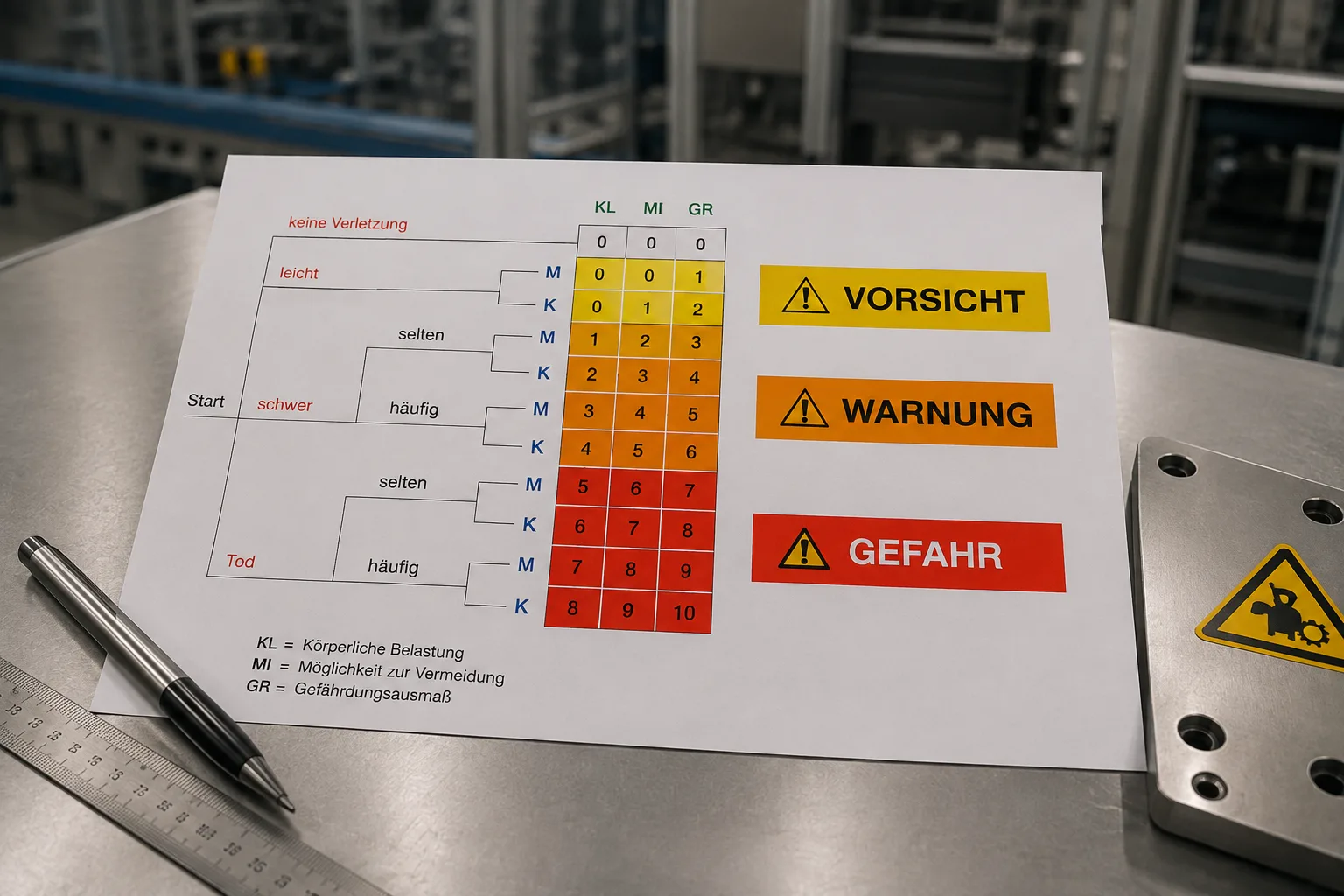 Image to follow
Risk assessment
How do you produce a risk assessment for a machine?
From the limits of the machine to documenting residual risks: the procedure in six steps, with the mistakes that happen most often.
Image to follow
CE & conformity
How does CE marking of machinery work?
The complete procedure in eight steps, from classifying the product through the risk assessment to the rating plate and keeping the documents.
Image to follow
Risk assessment
How do you produce a risk assessment for a machine?
From the limits of the machine to documenting residual risks: the procedure in six steps, with the mistakes that happen most often.
Image to follow
CE & conformity
How does CE marking of machinery work?
The complete procedure in eight steps, from classifying the product through the risk assessment to the rating plate and keeping the documents.
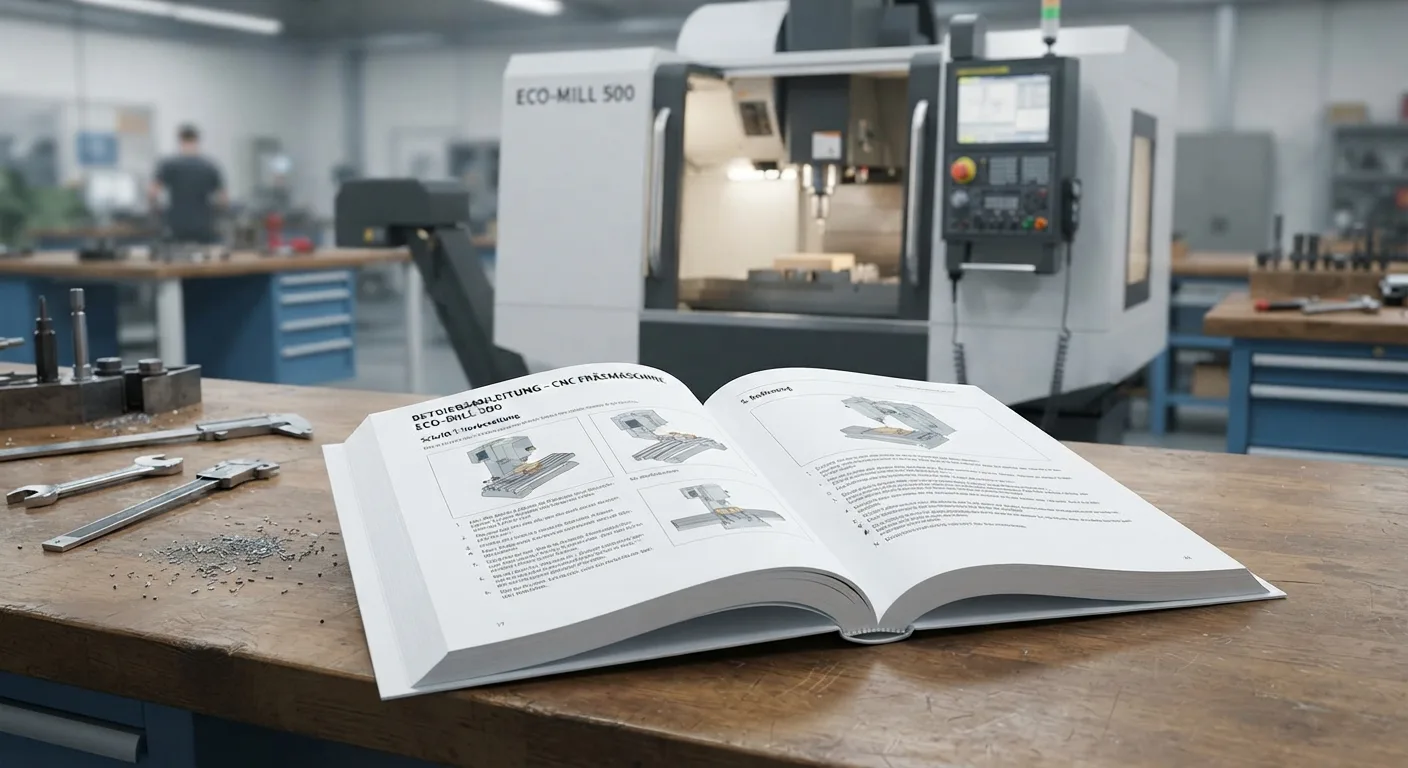 Image to follow
Instructions for use
May I supply the instructions for use purely digitally from 2027?
Digital is the standard form from 2027, but tied to conditions. All requirements for QR code, availability and the paper version as a checklist.
Image to follow
Instructions for use
May I supply the instructions for use purely digitally from 2027?
Digital is the standard form from 2027, but tied to conditions. All requirements for QR code, availability and the paper version as a checklist.
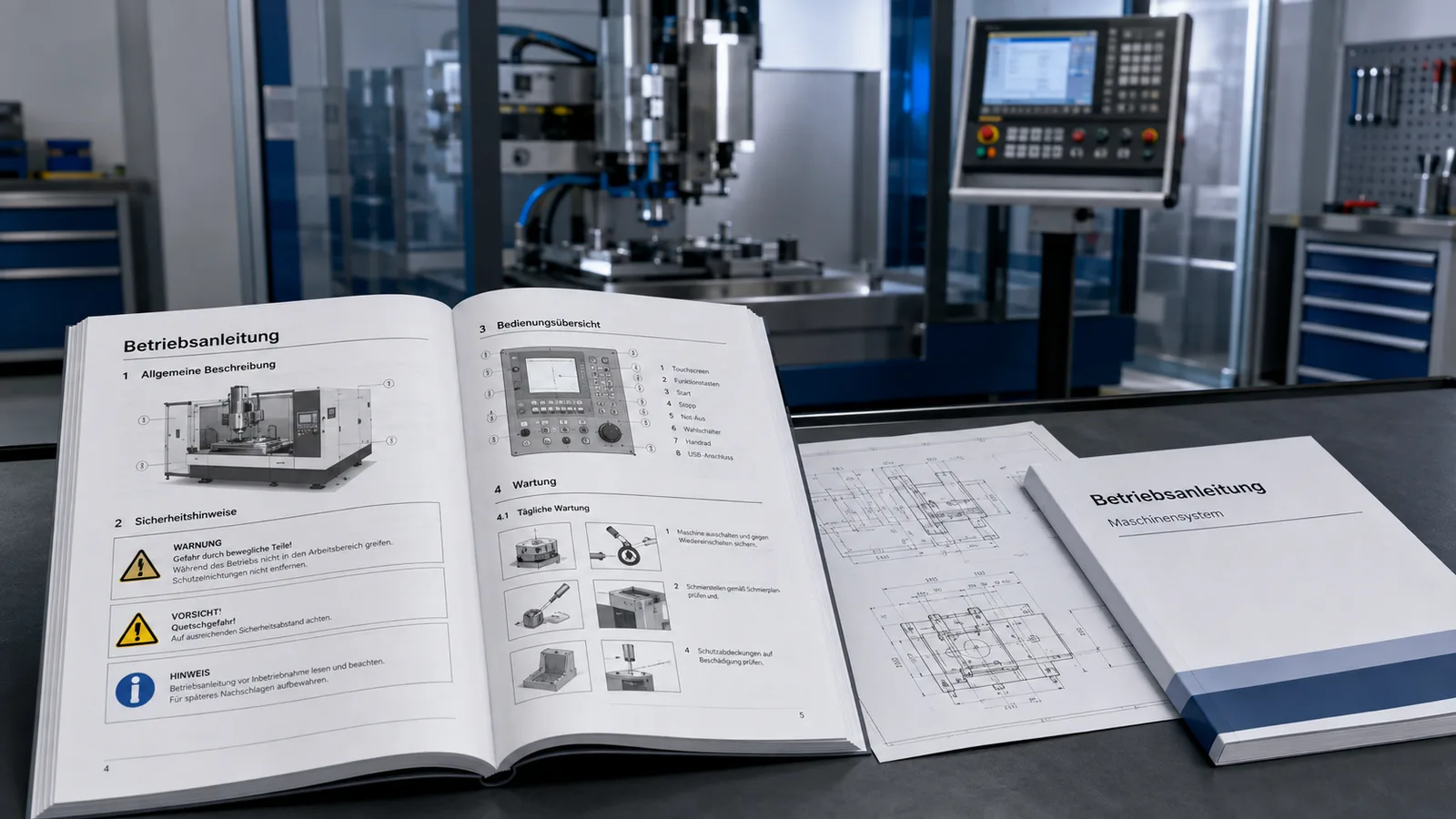 Image to follow
Instructions for use
How are instructions for use structured? A template with an explanation of every chapter
The complete structure of original instructions for use: 11 chapters, 51 sections. Every heading comes with what belongs in it, plus typical content as an example.
Image to follow
Technical documentation
Which technical documentation does a machine need?
What belongs in the technical file, who has to keep it available and for how long, including the line between the internal file and the documents supplied.
Image to follow
Instructions for use
How are instructions for use structured? A template with an explanation of every chapter
The complete structure of original instructions for use: 11 chapters, 51 sections. Every heading comes with what belongs in it, plus typical content as an example.
Image to follow
Technical documentation
Which technical documentation does a machine need?
What belongs in the technical file, who has to keep it available and for how long, including the line between the internal file and the documents supplied.
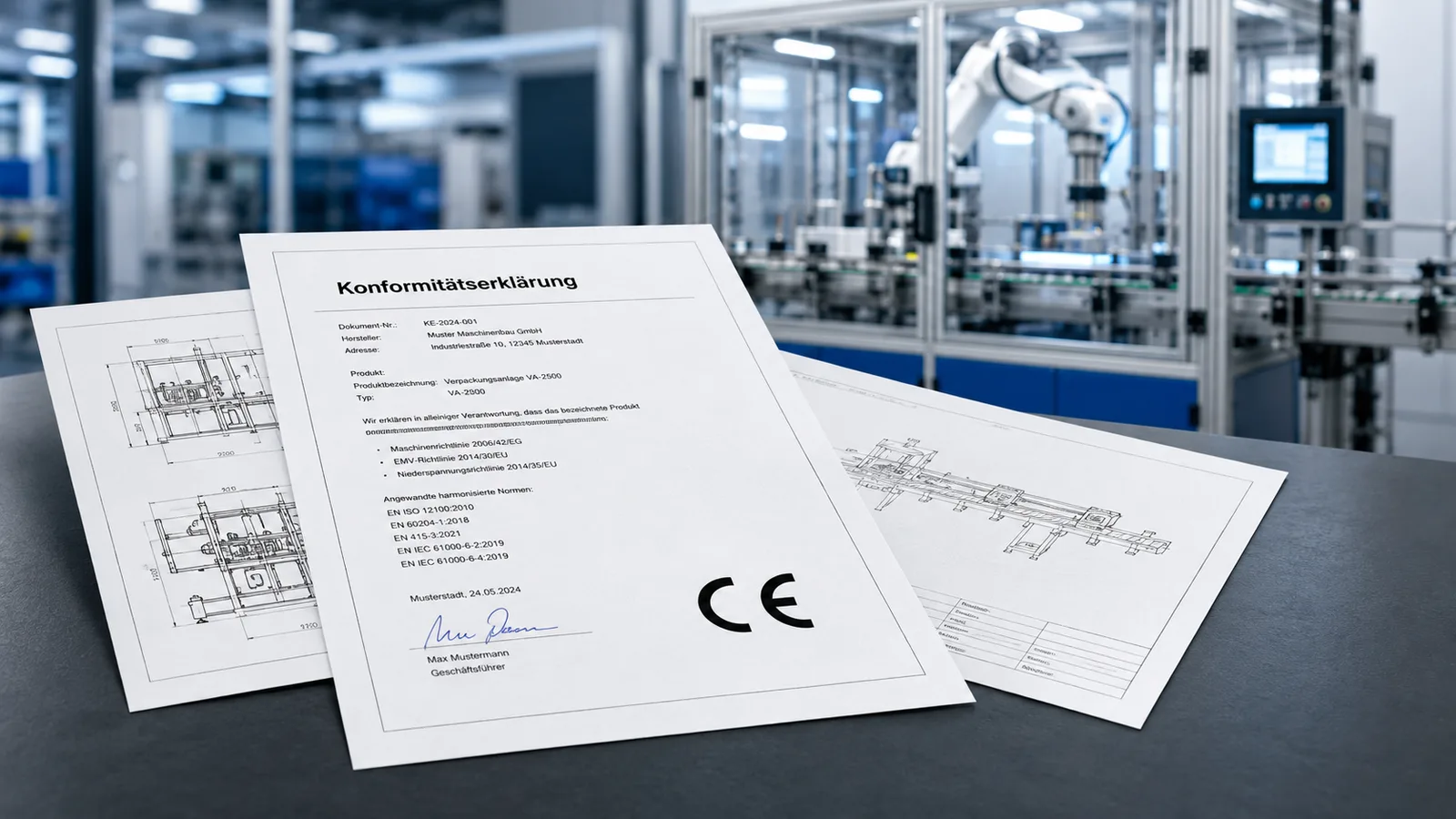 Image to follow
CE & conformity
How do you draw up an EU declaration of conformity?
All mandatory content at a glance, the line to the declaration of incorporation and the mistakes that come up most often during market checks.
Image to follow
CE & conformity
How do you draw up an EU declaration of conformity?
All mandatory content at a glance, the line to the declaration of incorporation and the mistakes that come up most often during market checks.
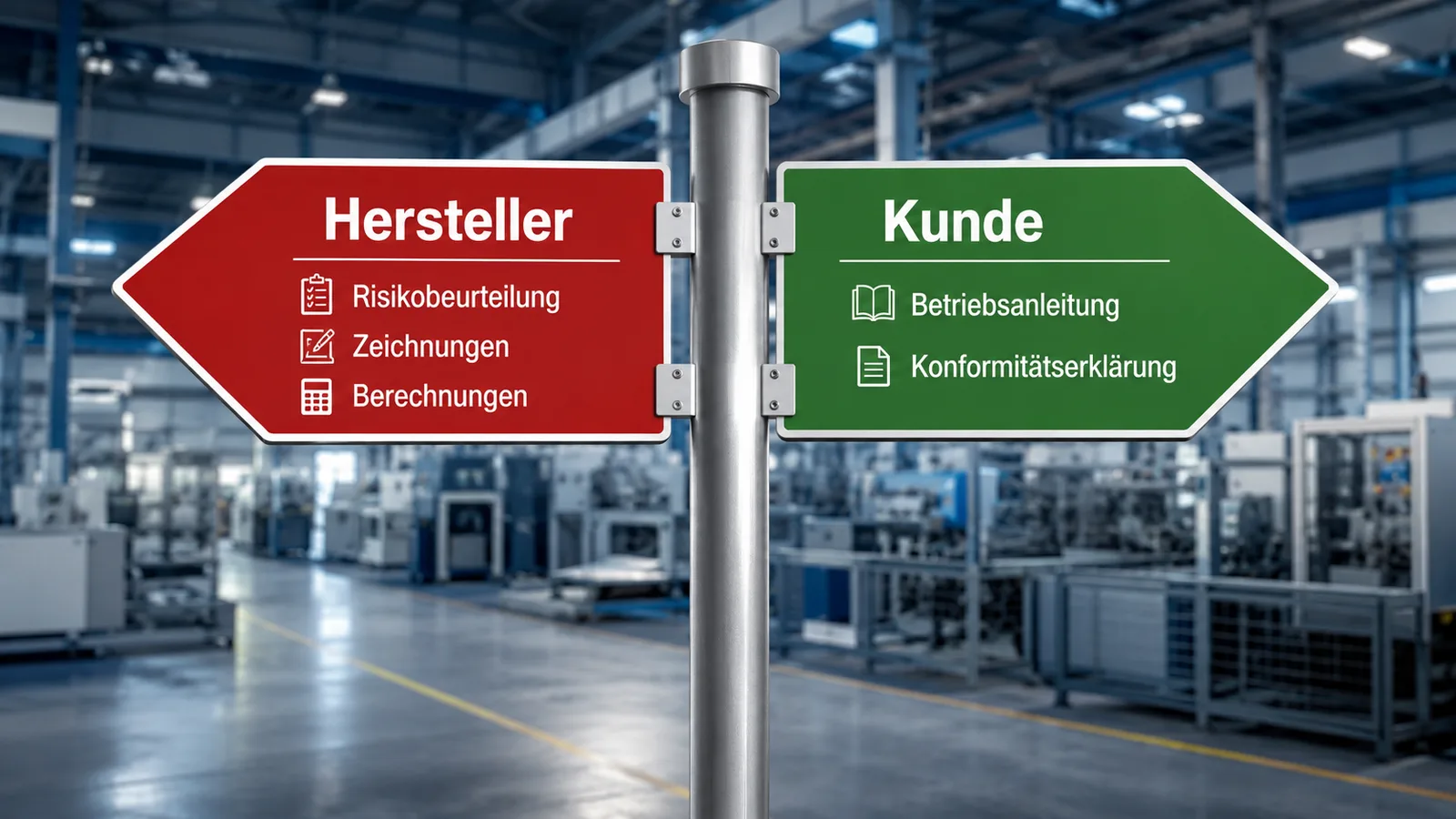 Image to follow
Technical documentation
Which CE documents do I have to hand over to the customer, and which stay internal?
Mandatory are the instructions for use and the EU declaration of conformity. Risk assessment, calculations and test records stay in the technical file, with a clear line and an answer to customer demands.
Image to follow
Technical documentation
Which CE documents do I have to hand over to the customer, and which stay internal?
Mandatory are the instructions for use and the EU declaration of conformity. Risk assessment, calculations and test records stay in the technical file, with a clear line and an answer to customer demands.
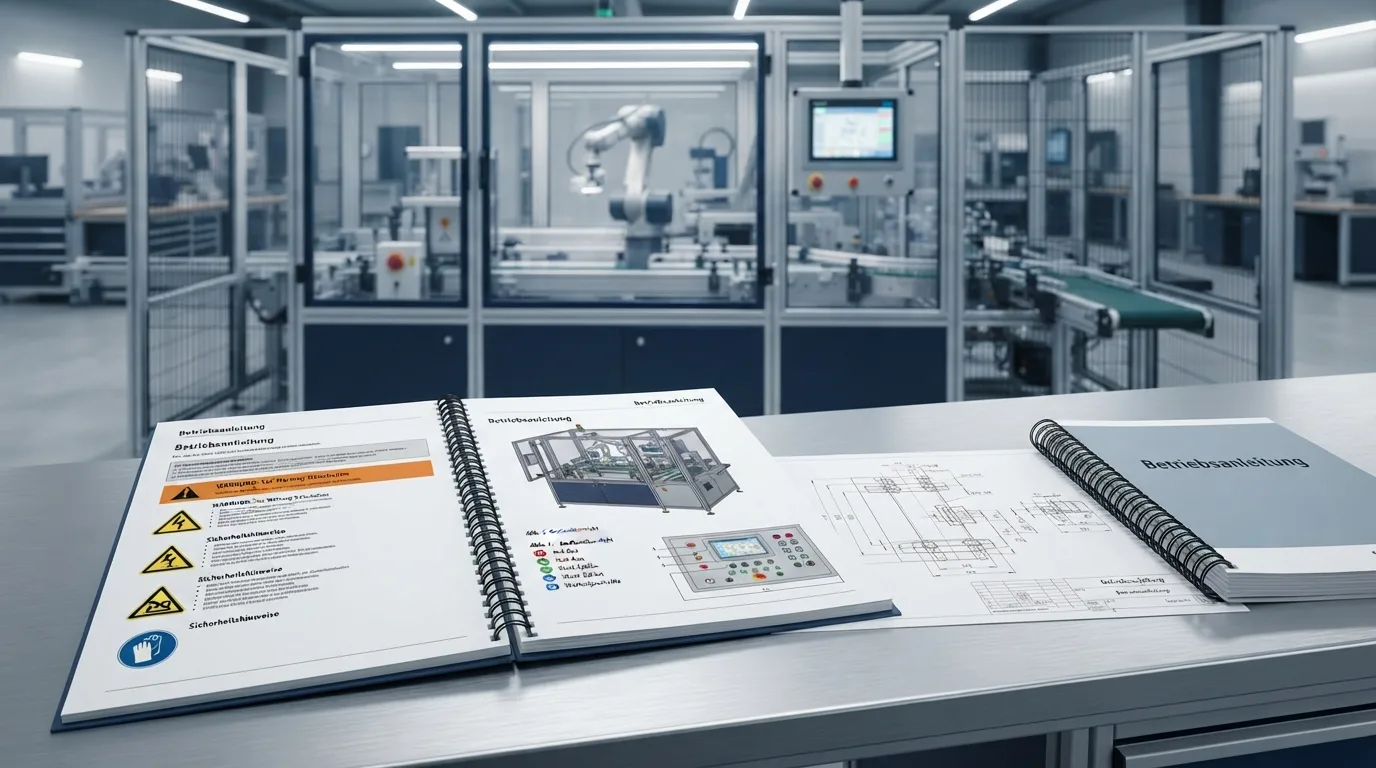 Image to follow
Instructions for use
Which language do instructions for use and CE documents have to be in?
Instructions for use, warnings and the declaration of conformity in the official language of the country of destination; project-specific documents and instructions for the manufacturer's own specialists may be in English.
Image to follow
Risk assessment
How does a risk assessment to EN ISO 12100 work?
The iterative process of the standard in detail: risk elements, risk graph, three-step method and the point at which a risk counts as adequately reduced.
Image to follow
Instructions for use
Which language do instructions for use and CE documents have to be in?
Instructions for use, warnings and the declaration of conformity in the official language of the country of destination; project-specific documents and instructions for the manufacturer's own specialists may be in English.
Image to follow
Risk assessment
How does a risk assessment to EN ISO 12100 work?
The iterative process of the standard in detail: risk elements, risk graph, three-step method and the point at which a risk counts as adequately reduced.

Has been guiding CE projects in machinery, plant and special purpose engineering for years. That work led to Kaidoc.app, a software for standards-based CE documentation. Through Knutec.de the same work is available as a personal service.
Write me a few lines about your project. You get a first assessment back, free of charge and without obligation.
The articles in this guide are produced with AI assistance and reviewed for technical accuracy before publication. Editorial responsibility within the meaning of Art. 50(4) of the AI Act (EU) 2024/1689 lies with Heinrich Knutas. The tile images are AI-generated illustrations; they do not show real machines, installations or people. The large image at the top of this page shows a real photograph of the author in front of an AI-generated background. The portrait in the author box is an unedited photograph.
No credit card required. A complete project to try out.